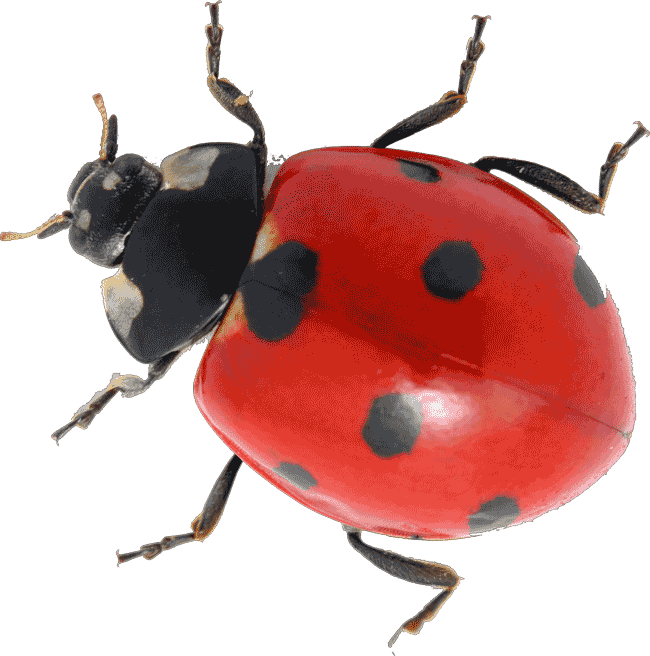
- Salah satu jenis beetle.
- Ada lebih kurang 5000 jenis ladybugs dalam dunia!
- Yang biasa jumpa merah dan hitam.
- Makan serangga lain, kebanyakannya aphids dan disukai oleh petani dan gardeners.
- Aphids suka makan tanaman, jadi ladybugs membantu petani dan gardeners menjaga tanaman mereka.
- Sebab badan berwarna-warni dan terang adalah untuk beritahu haiwan lain yang mereka ni tak sedap jadi haiwan lain seperti burung dan katak tak makan mereka.
Kitar Hayat Ladybird:
Ladybugs bertelur dan melalui proses metamorphosis. Bila menetas, dipanggil larvae. Larvae ini membesar dengan cepat dan bersalin kulit beberapa kali. Bila cukup besar, mereka menekapkan ekor mereka ke daun, dan membentuk pupa. Dalam seminggu dua, pupa bertukar menjadi ladybug dewasa. Lihat sayap ladybug dewasa ini. Apa yang kita boleh lihat? Simetri. Apa itu simetri?
- Ladybugs hidup dalam pelbagai habitat.
- Boleh dijumpai di grasslands, hutan dan bandar.
- Aktif.
- Bila sejuk, mereka akan mencari tempat panas dan hibernasi seperti bawah kayu, batu atau dalam rumah. Bila berhibernasi, mereka berkumpul dan boleh mencecah ribuan dalam koloninya.
- Rasa macamana kalau jumpa ladybugs banyak-banyak?
Printables:
Life Cycle Nomenclature Cards at The Helpful Garden
Number Matching Game at The Helpful Garden
Video:
]]>- Ada lebih 17,000 jenis belalang di dunia!
- Kaki belakang berurat dan digunakan untuk melompat.
- Ada dua kumpulan: Long-horned & short horned, ditentukan oleh panjang antenna.
- Ada lima mata. 2 mata besar ada di sisi kepala. 2 lagi pada hujung antenna and yang akhir ada di antara antena.
- Betina lebih besar. Ada hujung tajam di abdomen, membantu bertelur. Selepas bertelur, mereka hanya pergi meninggalkan, tak perlu jaga. Melalui proses metamorphosis.
- Makan pelbagai tumbuhan dan ada yang makan rumput sahaja.
- Pemangsa termasuklah, burung, cicak, labah-labah, dan rodents.
- Ada sesetengah belalang keluarkan bunyi dengan rubbing their wings together.
- Pernah dengar tak? Kalau pernah, tulah belalang jantan!
فَأَرْسَلْنَا عَلَيْهِمُ ٱلطُّوفَانَ وَٱلْجَرَادَ وَٱلْقُمَّلَ وَٱلضَّفَادِعَ وَٱلدَّمَ ءَايَٰتٍ مُّفَصَّلَٰتٍ فَٱسْتَكْبَرُوا۟ وَكَانُوا۟ قَوْمًا مُّجْرِمِينَ
(Allah berfirman): Kami pun menghantarkan kepada mereka taufan, dan belalang, dan kutu, dan katak, dan darah, sebagai tanda-tanda dan bukti yang jelas nyata, maka mereka juga tetap berlaku sombong takbur dan menjadi kaum yang menderhaka.
From National Geographic
A plague of locusts is a devastating natural disaster. These infestations have been feared and revered throughout history. Unfortunately, they still wreak havoc today.
Locusts are related to grasshoppers and the two insects look similar. However, locust behavior can be something else entirely. Locusts are sometimes solitary insects with lifestyles much like grasshoppers. But locusts have another behavioral phase called the gregarious phase. When environmental conditions produce many green plants and promote breeding, locusts can congregate into thick, mobile, ravenous swarms.
Locust swarms devastate crops and cause major agricultural damage and attendant human misery—famine and starvation. They occur in many parts of the world, but today locusts are most destructive in sustenance farming regions of Africa.
The desert locust is notorious. Found in Africa, the Middle East, and Asia, they inhabit some 60 countries and can cover one-fifth of Earth’s land surface. Desert locust plagues may threaten the economic livelihood of one-tenth of the world’s humans.
A desert locust swarm can be 460 square miles (1,200 square kilometers) in size and pack between 40 and 80 million locusts into less than half a square mile (one square kilometer).
Each locust can eat its weight in plants each day, so a swarm of such size would eat 423 million pounds (192 million kilograms) of plants every day.
Like the individual animals within them, locust swarms are typically in motion and can cover vast distances. In 1954, a swarm flew from northwest Africa to Great Britain. In 1988, another made the lengthy trek from West Africa to the Caribbean.
Bacaan sendiri:
Like Locusts
Locusts moving in swarms
Day 1
- Living / Non-Living Things
- Plants & Animals
- Vetebrate/Invetebrate
Vetebrate / Invetebrate Bila kita belajar tentang haiwan, kita panggilnya Zoology. Cuba sebut ‘Zoology’. Ada banyak jenis haiwan di muka bumi ni. Berjuta! Zoologist dan saintis-saintis lain menyusun (oganised) haiwan-haiwan ni dalam kumpulan. Dua kumpulan besar haiwan adalah haiwan bertulang belakang dan tidak bertulang belakang.
Kumpulan pertama adalah kumpulan bertulang belakang. Vertebrate. Cuba sebut ‘Vertebrate’. Semua haiwan ni nampak lain antara satu sama lain, tetapi ada satu persamaan antara mereka. Semua haiwan ini ada benda macam ni (tunjuk gambar) dalam badan mereka. Ini adalah tulang-tulang. Tulang boleh dijumpai di dalam badan. Kita pun ada tulang belakang. Cuba rasa?
Terdapat banyak haiwan dalam kumpulan ini, dan saintis membahagikan mereka kepada lima kumpulan lagi. (Tunjuk kad-kad kumpulan, namakan dan tunjuk tulang belakang).
Kad-kad vertebrate dan invertebrate. Match tulang dan haiwan.
Kita akan mula dengan invertebrate. Haiwan-haiwan ini juga dibahagikan kepada beberapa kumpulan juga. Mollusks, annelids, insects & arachnids.
Groups of Invetebrate
- Mollusks
- Annelids
- Arthropods (Insects): Kumpulan ini adalah haiwan yang ada hard outside covering called an exoskeleton. Terbahagi kepada dua:
- Arachnids – Spiders, Spiders, Spiders, Spiders
Insects
Apa yang membuatkan serangga itu serangga? Kita ada klu untuk membantu kita mengenal serangga. Serangga ada 6 kaki. Labah-labah ada 8 kaki. Jadi jika ada 6 kaki, itu ialah serangga. Klu satu lagi adalah, bahagian badan. Spiders ada dua bahagian badan manakala serangga ada 3 bahagian badan; head, thorax, abdomen. Contoh serangga termasuklah rama-rama, lebah, beetles dan semut.
Kajian serangga dipanggil entomology. Saintis yang mengkaji serangga dipanggil entomologist. Mereka mengatakan ada lebih 30 juta jenis spesies serangga di dalam dunia ni! Serangga yang paling laju adalah dragonfly. Serangga yang paling panjang adalah seperti walking stick. Serangga yang balik berat adalah Goliath Beetle dari Afrika.
Dalam kitar hayatnya dari telur ke dewasa, serangga-serangga ini berubah bentuk dan ini dipanggil metamorphosis. Amfibian juga melalui proses metamorphosis ni. They do not look like the adults when they hatch from the egg.
Jom lihat gambar-gambar arthopods (atau serangga).
Insect X-ray Pictures – These can be found in many science catalogs for children. Children match the insect picture to its x-ray picture. (Takde *muka nanges*)
Spesies Serangga
Art:
Butterflies – Using close pins, coffee filters, liquid paint, and pipe cleaners children can make butterflies. Show the children how to spray just a little bit of the paint on the filters and watch the colors blend. Too much paint will make the filter wings rip.
Stain Glass Butterflies – Tissue paper, watered down glue, and 2 pieces of black butterfly shapes cut from construction paper, children can glue the tissue paper in between the black outline butterfly shapes. Remind them about the ‘stained glass windows’ that we talked about with Europe.
]]>Montessori Inspired Insects Activity at PinayHomeschooler
Insect Unit with Free Printables at Every Star is Different
Insect Posts at Gift of Curiosity
Collections of Insects at Homeschoolgiveaways
Coloring Bugs at A Little Pinch of Perfect
Bugs at Trillium Montessori
Bugs at Playdough to Plato
Bugs at 123 Homeschool for Me
Insect Theme Lesson Plans
Bugs Theme at Prekinders
Bugs at 123child
Insects at Pre-K Pages
Insects at First School
Montessori Inspired Insect Unit at Living Montessori Now
Montessori Inspired Insects Unitat Mumma Diaries
Insect Unit at Inspired Montessori
Insect Activities at Mama’s Happy Hive
Bugs and Insects posts at 1+1+1=1
Insects at Sugar, Spice & Glitter
Bugs Theme at Homeschool Den
Ladybug Fly Away Home at Nurturing Learning
Ants Activities for Preschoolers & Good Bug Bad Bug at Carrots are Orange
Taxonomy and Animal Kingdom Arthopods at Bloom Montessori ]]>
وَأَوْحَىٰ رَبُّكَ إِلَى ٱلنَّحْلِ أَنِ ٱتَّخِذِى مِنَ ٱلْجِبَالِ بُيُوتًا وَمِنَ ٱلشَّجَرِ وَمِمَّا يَعْرِشُونَ
ثُمَّ كُلِى مِن كُلِّ ٱلثَّمَرَٰتِ فَٱسْلُكِى سُبُلَ رَبِّكِ ذُلُلًا ۚ يَخْرُجُ مِنۢ بُطُونِهَا شَرَابٌ مُّخْتَلِفٌ أَلْوَٰنُهُۥ فِيهِ شِفَآءٌ لِّلنَّاسِ ۗ إِنَّ فِى ذَٰلِكَ لَءَايَةً لِّقَوْمٍ يَتَفَكَّرُونَ
Then eat from all the fruits and follow the ways of your Lord laid down [for you].” There emerges from their bellies a drink, varying in colors, in which there is healing for people. Indeed in that is a sign for a people who give thought.Kemudian makanlah dari segala jenis bunga-bungaan dan buah-buahan (yang engkau sukai), serta turutlah jalan-jalan peraturan Tuhanmu yang diilhamkan dan dimudahkannya kepadamu”. (Dengan itu) akan keluarlah dari dalam badannya minuman (madu) yang berlainan warnanya, yang mengandungi penawar bagi manusia (dari berbagai-bagai penyakit). Sesungguhnya pada yang demikian itu, ada tanda (yang membuktikan kemurahan Allah) bagi orang-orang yang mahu berfikir.(Surah an-Nahl 16:69)
Sumber: justmontessori.com
Lebah adalah antara jenis lain serangga. Ada lebih kurang 20,000 spesies lebah. Antara yang kita sudah biasa termasuklah honey bees, bumble bees, and sweat bees. Lebah boleh dijumpai di semua benua kecuali Antartica. Lebah ada dua antenna dan 2 pasang sayap. Lebah hidup dalam koloni dan setiap koloni ada 40,000 lebah!
Lebah Madu adalah serangga yang sosial dan bekerjasama. Lebah-lebah ini dibahagikan kepada 3 jenis. Lebah Pekerja (Worker bees) adalah lebah yang biasa kita tengok terbang di luar. Mereka adalah lebah betina. Kerja-kerja seekor lebah pekerja termasuklah membina honeycombs, mengumpul pollen and nectar to feed the colony, membersihkan hive, dan membantu circulate udara dalam hive dengan beating their wings.
The comb is made up of hexagonal shaped cells and are used to store nectar, pollen, and water. There is usually one queen in a hive and her job is to lay eggs. Insects go through metamorphosis. Bees go through four stages of development; egg, larvae, pupa, and adult bee. The male bees are called drones. The female bees store venom in a sac attached to their stingers.
The honey bees sense of smell helps them to find the flowers they need to collect nectar. As bees feed on the nectar inside of flowers, they get covered in pollen from the flower’s stamens. Some of this pollen will rub off on the pistil of the next flower it visits. This is how insects help flowers to pollinate. Bees store the collected nectar they get from the flowers in their special honey stomachs. When their stomachs are full of nectar they go back to the hive and regurgitate, or spit back out, the nectar into honey cells. Then they fan their wings to remove moisture. The nectar then changes and becomes honey. So bees are important, in what ways?
Bees Unit Study
Hands on learning about bees
Honey Bee Smelling Activity
The Social Lives of Bees
Bees at Climate Kids Nasa
Types of bees:
I knew that there were different types of bees, such as bumble bees, honeybees, carpenter bees, and parasitic bees, but apparently they also have nationalities!
Well, at least according to Lady Winifred Fortescue who wrote in her 1935 book,Perfume from Provence that her friend Monsieur Pierre claimed that,
“ …a friend of his imported queen bees from Germany, Egypt, England and America, The German bees, he told me, always works overtime, and fill the cells of the comb so full of honey that it reaches and permeates the outer wax, thus spoiling the look of the sections, so that they cannot be exhibited. The Egyptian bees work well, but are fierce and uncertain of temper – mefiez-vous! The English bees work well, but only for a certain number of hours; and the American bees are brilliant but erratic, sometimes working feverishly and sometimes taking a day off.
Extraordinary, I thought, that bees should have absorbed the characteristics of their countries”(p 36)
Arts &Crafts:
Bee Craft
Beehive’s Polygon Construction
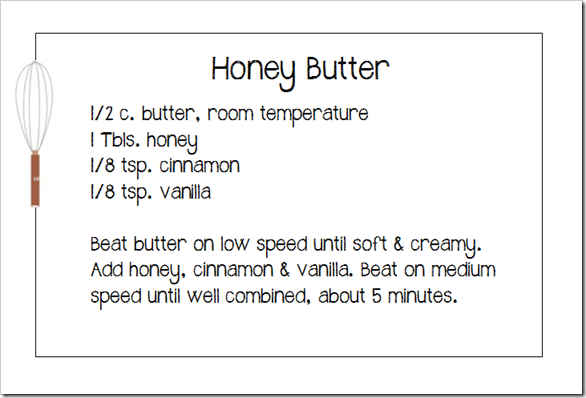
Honey butter recipe from Preschool Alphabet

Worms at Montessori Works Blog
]]>Seashell Identification Lesson
Snails by Montessori Mom
Montessori Coral Reef Field Guide Index
Seashells Identification
Seashells Identification
Seashells Pictorial
Seashells Lesson Plan
Seashells – Links for a Montessori Unit Study by montessori21stcentury ]]>